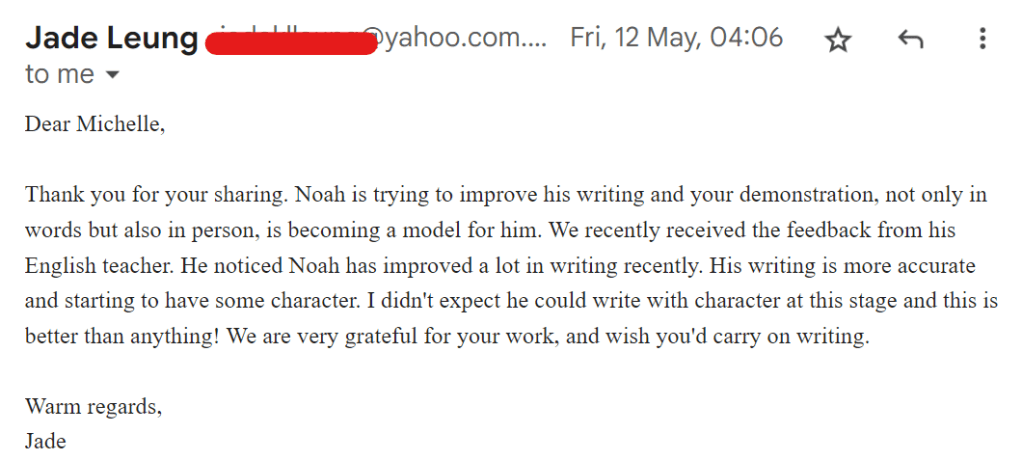
今周一位學生家長給我寫了一封很讓我很鼓舞的郵件:
這是我給 Jade 的回復:
Dear Jade,
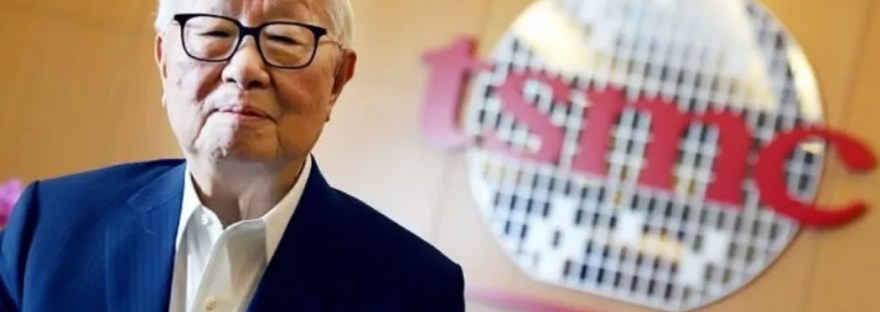
This passage is from 張忠謀’s autobiography. He talks about attending MIT in the 1960s. I think this kind of education played a role in giving him the persistence to create 台積電:
大師級教授處理发問的態度也令我印象深刻。美國學生很喜歡发問,問題的程度則參差不齊,有的問題很幼稚,但有的也相當深奧。大師級教授從不輕視任何問題。簡單的問題他們固然很快地回答,對比較難的問題,他們也好整以暇,一面想,一面說,一面又在黑板上寫出所想的階段結論。這樣幾分鐘後,我們認為很難的問題他也解出來了。如果當時沒有完全想出來,他會說,“讓我回去再想想,下堂再告訴你們。”而他下堂課時也從來不爽約。大師究竟是大師,似乎從來難不倒的。越是難的問題,越是他表現思考方式的機會。聰明的學生也會自其中學到解決問題的方式,並在“言教”與“身教”的雙重教育下學習成長
My Oxford education was very similar (professors happily solved complex problems that had just been presented to them right in front of my eyes), and I try to provide that for my students too. They watch my reaction as I read their freshly-written stuff. I ask them probing questions. They become aware of their faults and oversights. I then offer them a solution by rewriting their stuff in front of them. Sometimes my mind is working well and I can rewrite very quickly, but other times I need time to think too. I think showing them the hard reality of writing is good because when they are stuck, they know it’s normal and won’t give up so easily.
Michelle
其實教授英文寫作不但是我的生活來源,還是我實現理想的渠道。這點在當下動蕩的政局尤其明顯。我這段時間經常想起民國大師宗白華經歷文革時養成的一個習慣。他會到一個親戚家,觀看家裡的小孩睡覺,小孩睡醒,總會見到宗白華用慈祥的目光注視著自己。最近我在Zoom 上教學,看到屏幕上的學生,就會想宗白華,並理解他為社麽會特地去看小孩 – 他們是我們的未來。等到我的學生成年更懂事,如果他們想起我,並思考我當年的人生選擇(爲什麽明明有條件做香港高官的英文寫手之類的工作,享受薪高糧准的待遇,卻要自己單幹?),那才是我給他們上最重要的一課的時候。

 Come Write Like Michelle